Published on October 06, 2026
President's Message: The Power of Our Collective Voice
by Margy MacMillan
Every one of us in this field has a voice that matters to our patients. We all need to use it.
When we talk about advancing transplantation and cellular therapy, it’s easy to focus on the latest science, the most recent clinical trial, and the innovative technologies that change the way we treat patients. And that is critical to continue advancement, but science alone isn’t enough.
To ensure our patients have access to the best possible treatments and that our field continues to grow, we must speak together, share our expertise, and advocate for our patients and their families.
Each of us brings a distinct perspective, and ASTCT’s collective voice draws its strength from those differences. Physicians understand the clinical challenges patients face; nurses and advanced practice providers recognize barriers that emerge during treatment and recovery; pharmacists see the obstacles patients encounter in accessing necessary medications; researchers identify opportunities for discovery and innovation; and patients and caregivers remind us why this work matters.
Every one of those perspectives is valuable.
We may sometimes underestimate the impact of our perspectives because we assume someone else is speaking on our behalf. Yet meaningful change begins when individual members share what they know, what they have witnessed, and what their patients are experiencing. Collectively, that expertise becomes a powerful force for advancing care.
I was reminded of this during ASTCT’s recent Hill Day.
Each year, ASTCT members from across the country meet with policymakers and congressional staff to advocate for access to lifesaving transplantation and cellular therapies. At this year’s Hill Day in Washington, D.C., they brought a unified voice to priorities that directly affect patient care: sustained National Institutes of Health funding, support for biomedical research infrastructure, and reauthorization of the C.W. Bill Young Cell Transplantation Program, which connects patients with unrelated donors and cord blood units when a family donor is not available.
What struck me most was how our members combined their expertise and experiences into a shared message. By connecting research funding, clinical trial infrastructure, and transplantation programs to the realities faced by patients and families, they showed policymakers how decisions made in Washington affect care at the bedside.
As I listened to those conversations, I was reminded that policymakers often hear statistics and funding requests, but it is the experiences of patients, caregivers, and clinicians that make those issues real.
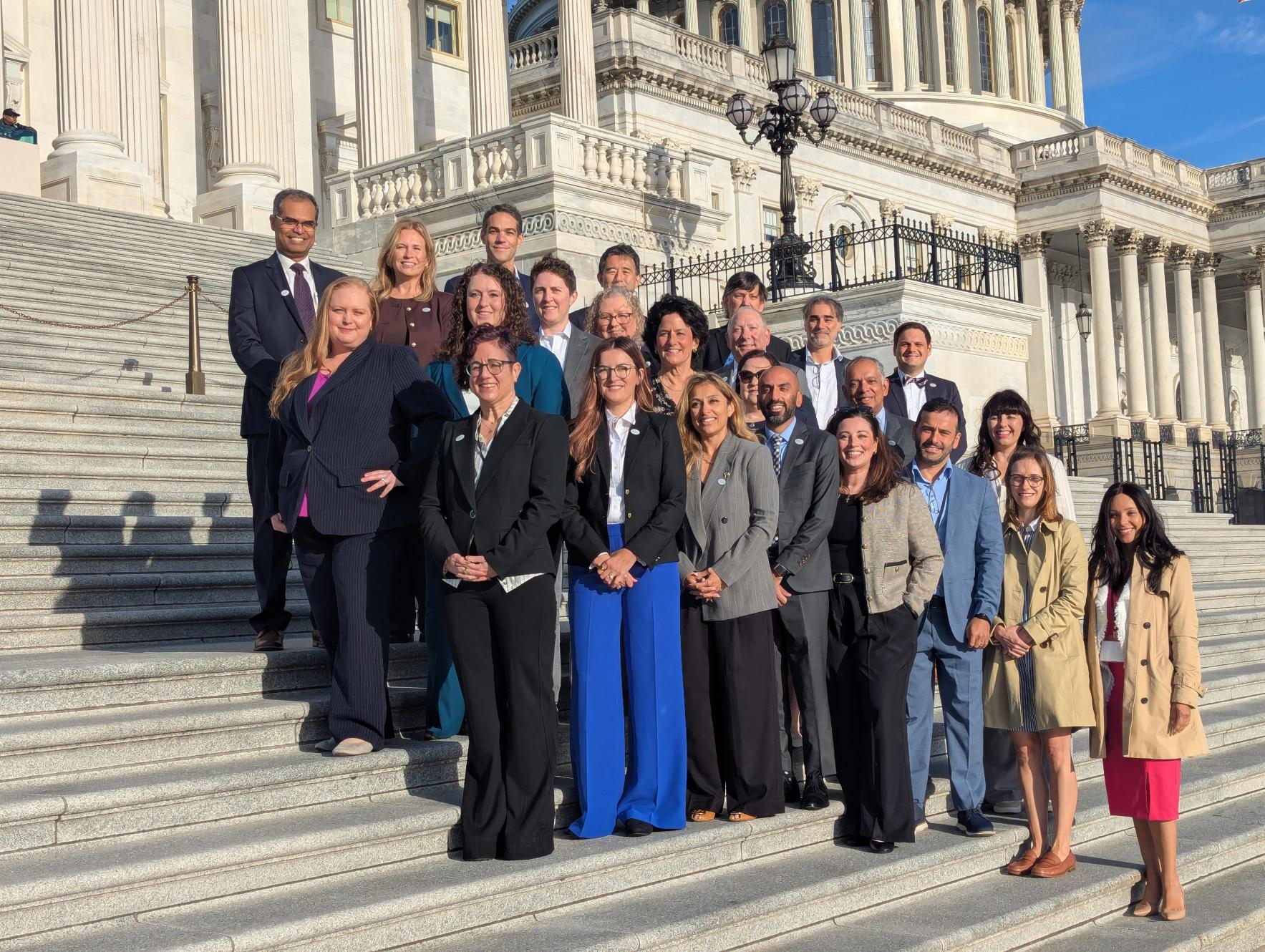
Hill Day reminds us that advocacy is not limited to elected leaders, organizational officers, or professional lobbyists; it belongs to all of us. In conversations with policymakers, institutional leaders, colleagues, trainees, and patients, we can help others understand why transplantation and cellular therapy matter.
Our patients depend on us to deliver outstanding care and use our voices to shape the environment in which that care is provided.
The good news is that ASTCT offers many ways for members to become involved. Through education, guideline development, research, mentorship, and volunteer leadership, they help shape the standards and direction of our field.
For instance, recently updated ASTCT consensus guidelines will bring greater consistency to clinical practice and research. These recommendations reflect the collective expertise of our members and demonstrate how collaboration within our society can directly influence patient care around the world.
Those recommendations are made possible because members choose to share their expertise, contribute their perspectives, and work together toward common goals. The same principle applies across all aspects of ASTCT.
Our Tandem Meetings are another place where thousands of professionals bring their voices to learn, exchange ideas, and build the collaborations that drive progress. I encourage you to join us in Orlando and continue investing in the ASTCT community.
As we celebrate the many ways our members contribute to ASTCT and to the broader transplantation and cellular therapy community, we are also creating new opportunities to recognize those contributions.
This year, we are launching the new Fellow of ASTCT recognition program to honor members whose contributions to patient care, research, education, mentorship, and service have strengthened our community and advanced the field. The program celebrates the many ways our individual expertise adds power to our collective work.
Not everyone will testify before lawmakers or lead a national initiative. But every member can contribute.
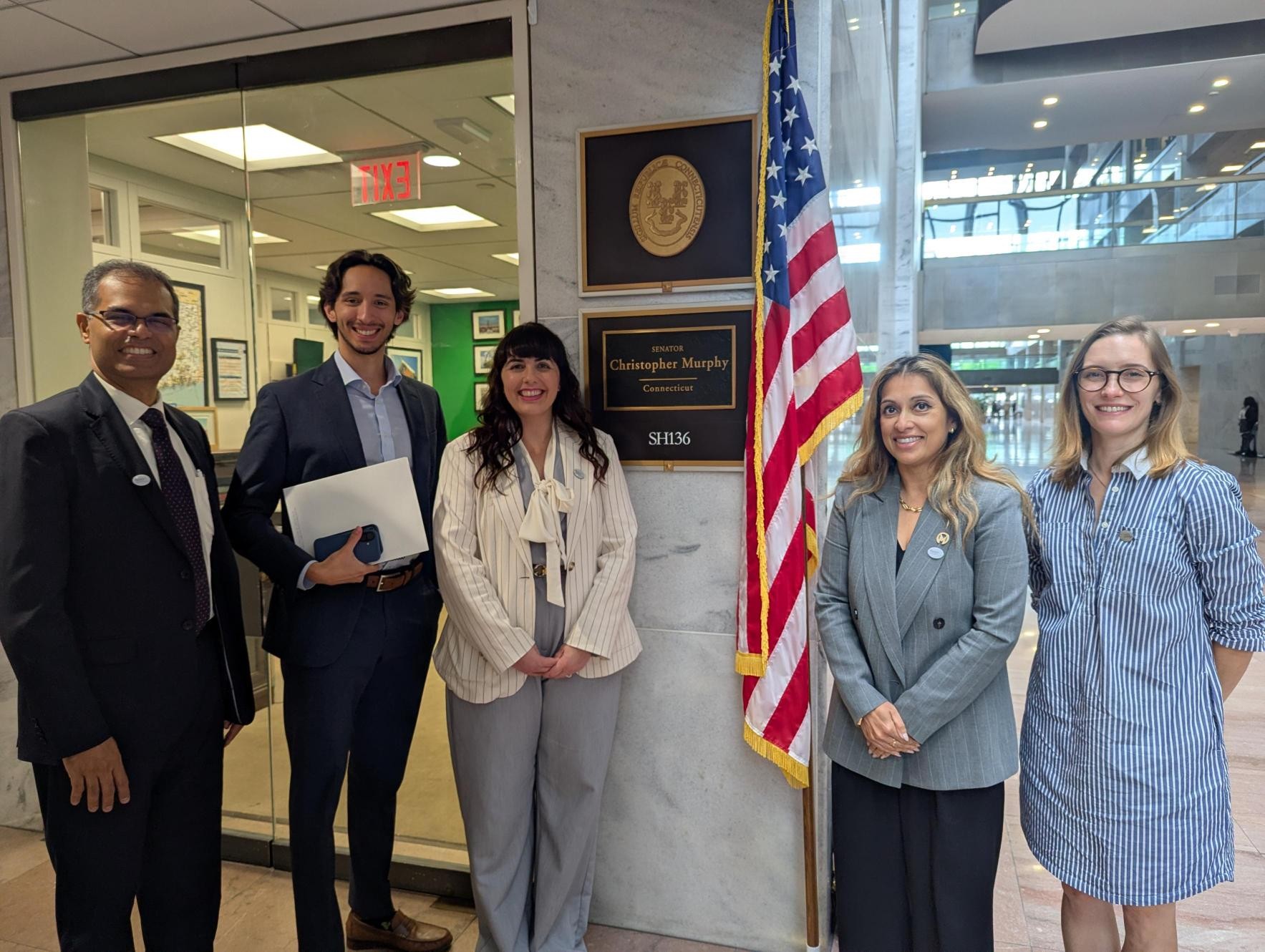
Every member can contribute by speaking with a colleague, supporting research funding, discussing access to care, mentoring a trainee, presenting new data, or sharing a patient-centered perspective during a committee meeting. Each action adds another voice to our shared effort, and together those drive meaningful progress.
As transplantation and cellular therapy evolve, our field will face new opportunities and challenges. The decisions made today will shape patient care for years to come, and ASTCT’s collective voice must help guide them.
Our patients are counting on us to speak up for their needs when they are unable to, and every conversation, every act of mentorship, every contribution to research, education, or advocacy strengthens ASTCT’s collective voice. When we speak together, we shape the future of transplantation and cellular therapy in ways none of us can achieve alone.
![]()
Margy MacMillan, MD, MSc, FRCPC