Published on June 08, 2026
Building Bridges Beyond Cancer: How Oncology Infrastructure Can Help Scale Cell and Gene Therapy Across Health Systems
by Jacob Keller, Chenyu Lin
The following article is the sole perspective of the author and does not necessarily represent the opinion of ASTCT.
Cell and gene therapy (CGT) is transforming the landscape of modern medicine, offering new treatment possibilities for a variety of conditions. Most CGT services, in both resourcing (labor, space) and processes, were historically built within existing bone marrow transplant (BMT) infrastructure. As the pipeline expanded, these services evolved alongside the field: from transplantation to chimeric antigen receptor (CAR) T-cell therapy, tumor-infiltrating lymphocytes (TIL), engineered T-cell receptor (TCR) therapies, T cell engagers, gene therapies, and more. New therapy platforms and new disease indications added layers of clinical, operational, financial, and regulatory complexity, while also strengthening the foundations that make these therapies possible.
Recognizing both the pace of innovation and the need for coordinated infrastructure to support CGT, some health institutions have established centers to oversee CGT operations. We will be using Duke’s Center for Cell and Gene Therapy as a case study. The center is organized into four core pillars: clinical, research, education, and quality, reflecting its multifaceted mission. The catalyst to create the Center was in preparation for the significant growth expected in this field and to ensure the institution can provide the appropriate expertise, resourcing, operational infrastructure, and financial oversight across the health system. While these therapies have already impacted care for many cancer patients, they are increasingly being developed for a wide range of non-malignant conditions, including hematologic, neurologic, rheumatologic, and rare genetic disorders. As these opportunities continue to expand into new clinical specialties, health systems must evolve their structures to ensure they can create manageable growth.
Transplantation programs have built a strong base of experience and infrastructure, but their original designs were not built to facilitate the breadth of the CGT field as it exists today. As new opportunities emerge across disease sub-specialties, most health system service lines lack the infrastructure that oncology and BMT programs have spent decades building. Without a thoughtful plan and coordinated action, these realities will lead to fragmentation and inefficiencies. The Center for Cell and Gene Therapy addresses this challenge head-on, by establishing a centralized structure that brings resourcing, operational expertise, infrastructure, and financial oversight together and extends each across all service lines within the health system. Instead of building brand-new programs in each specialty area, the Center utilizes BMT workflows that have been proven successful, models them to meet the evolving needs of CGT, and adapts them to support the program regardless of where the therapy is delivered.
In this model, the Center serves as an internal governing body for CGT across the health system. The complex needs of each CGT therapy, regardless of what division the primary prescriber works for or the site of care, are governed through a structured framework that aligns clinical operations, financial processes, regulatory oversight, and patient coordination. This model not only removes redundancy across the system, but also ensures efficiency, limits costs, and ensures that every patient benefits from the same quality expectations and care standards, regardless of where they are treated. Simultaneously, successful CGT programs depend on teamwork and collaboration. Most of the complex resources (stem cell laboratories, apheresis units, and pharmacy services, etc.) exist as independent service lines. These teams provide essential expertise and infrastructure that cannot easily be reconfigured into the Center structure. Instead, the success of the Center depends on strong partnerships across these teams, aligning their work through shared processes and common goals while preserving their specialized strengths.
To visualize this structure, we share examples of how our overarching CGT Center promotes cell and gene therapy use across the health system:
1. Streamlining an Existing Commercial Ex-vivo Gene Therapy
Exagamglogene autotemcel is a gene therapy for sickle cell disease. Originally onboarded as a novel collaboration between oncology, pediatrics, and benign hematology, it has since shifted to being governed under the CGT Center. In the original structure, there were separate responsible parties for certain vital aspects of the care continuum (nurse coordination, social work, clinical pharmacy, apheresis, etc.), depending on who the primary service line was at a given point in the timeline, creating challenges in transitions of care and duplication of effort. Under the CGT Center, those silos have been dismantled in favor of a centralized model. There is now a single consistent nurse coordination team to guide patients through their entire gene therapy journey, one financial analyst team experienced in handling prior authorizations for high expense therapies, and a leadership team that provides oversight and advocacy for the needs of this gene therapy program within the broader health system.
The CGT Nurse Coordinator role is a particularly innovative position, creating an opportunity for a nurse coordinator to serve as the end-to-end journey facilitator and leader. The position is physician-agnostic, in that the nurse coordinator position works with all prescribing physicians across the landscape therapy, as opposed to the traditional transplant coordinator role that is typically tied to a specific transplanter physician. Over time, the CGT Nurse Coordinator roles have become subject-matter experts on both the clinical complexities and operational minutiae that come with facilitating the CGT journey. The Center also encompasses a quality arm that assesses quarterly quality metrics and fulfill various reporting requirements (e.g., FACT, CIBMTR). A similar model is used to support cellular therapies outside of hematologic malignancies, such as TILs and TCR therapy.
2. Onboarding a Newly Approved Adenoviral Vector-Based Gene Therapy
Zopapogene imadenovec received FDA approval in August 2025 to treat recurrent respiratory papillomatosis, a rare human papillomavirus (HPV)-driven disease that is primarily managed by a surgical sub-specialty. The surgery team requested assistance to properly onboard and implement this therapy. The CGT Center reviewed the therapy with the primary prescribing physicians and discussed every aspect of the care continuum: Where will the patients be treated? What is the toxicity profile? Does the drug need special storage? Centralized care coordination? How much does it cost and what are the payer policies? Does it need a master services agreement signed with the manufacturer? These questions and more help define how the care pathways are built and ultimately impact the ability for a center to successfully onboard a product and treat patients. After decisions have been made for all the relevant issues, the Center will then provide expertise in reviewing toxicity mitigation and clinical care, and offer resourcing from a labor, operational, and oversight perspective to facilitate the onboarding of the product.
3. Supporting Research and Innovation Outside Oncology
A rheumatology specialist wishes to open a first-in-human clinical trial evaluating an investigational CAR T cell product for systemic sclerosis. The research arm of the CGT center provides support in the form of protocol review, CGT co-investigators, budgetary guidance, and clinical resources (e.g., apheresis, stem cell lab, nursing coordination, inpatient hospitalization, and outpatient day hospital monitoring). The principal investigator remains the disease specialist, while the Center offers the necessary supportive infrastructure to safely care for patients receiving these complex and high-risk therapies. The Center also provides clinical expertise and protocol design support for investigator-initiated studies within its scope, such as home-grown cell therapy products for solid tumors, serving as a catalyst for multidisciplinary collaboration across the university and health system.
4. Extending Community Access to Critical Treatments
Tarlatamab and teclistamab are FDA-approved T-cell engager (TCE) therapies used to treat small cell lung cancer and multiple myeloma, malignancies that are often seen in community oncology practices. While the health system has numerous affiliated community-based practices across the state, many cancer clinics are just beginning to develop the expertise to comfortably administer these TCE therapies. Meanwhile, patients must travel long distances to academic centers to receive treatment. In early 2026, the Center’s clinical leadership engaged with individual community stakeholders to identify respective goals and needs. A diverse working group was then assembled to establish a comprehensive standard operating procedure for TCE administration, monitoring, and operational workflow within the broader health system. Disease-specialized physicians and pharmacists collaborated to draft clinical protocols featuring evidence-based guidelines for toxicity management, monitoring parameters for outpatient step-up dosing, and eligibility considerations to ensure patient safety.
Concurrently, academic and community providers from different hospitals within the Duke health system convened to design efficient care transition processes to promote seamless patient handoffs between the main Duke referral center and community partners. To support the clinical pathways, administrative leaders leveraged the Center’s existing expertise in CGT financial workflows to facilitate rapid insurance authorizations and ensure that financial approvals follow patients across different care settings. Many of the Center’s clinical protocols are also used to support opening clinical trials investigating similar therapies at community sites outside of the main academic center.
A successful Center requires more than investment; it requires changing the way health systems have traditionally thought of service lines and “who owns what.” Providing novel therapies in service lines without previous CGT experience calls for a shift in mindset to what is best for both the patient’s seeking care and the goals of the system. Historic concepts of “ownership” and “funds flow” need to be put aside, and in their place, a shared commitment to harmonization. In doing so, each new therapy becomes an opportunity to strengthen the system and reach the true beneficiaries of the field, the patients.
In conclusion, the need for a Center for Cell and Gene Therapy showcases a deeper lesson. Scientific breakthroughs alone are not enough; they must be governed by an operational structure that can both deliver them efficiently and flex to accommodate a growing field. As we have already noted, CGT offerings are expanding everywhere. There is a huge opportunity available in the coming years to change how we structure our service lines and how we govern our processes and resources to ensure that patients receive the same standard of care, no matter what type of CGT they are receiving.
![]()
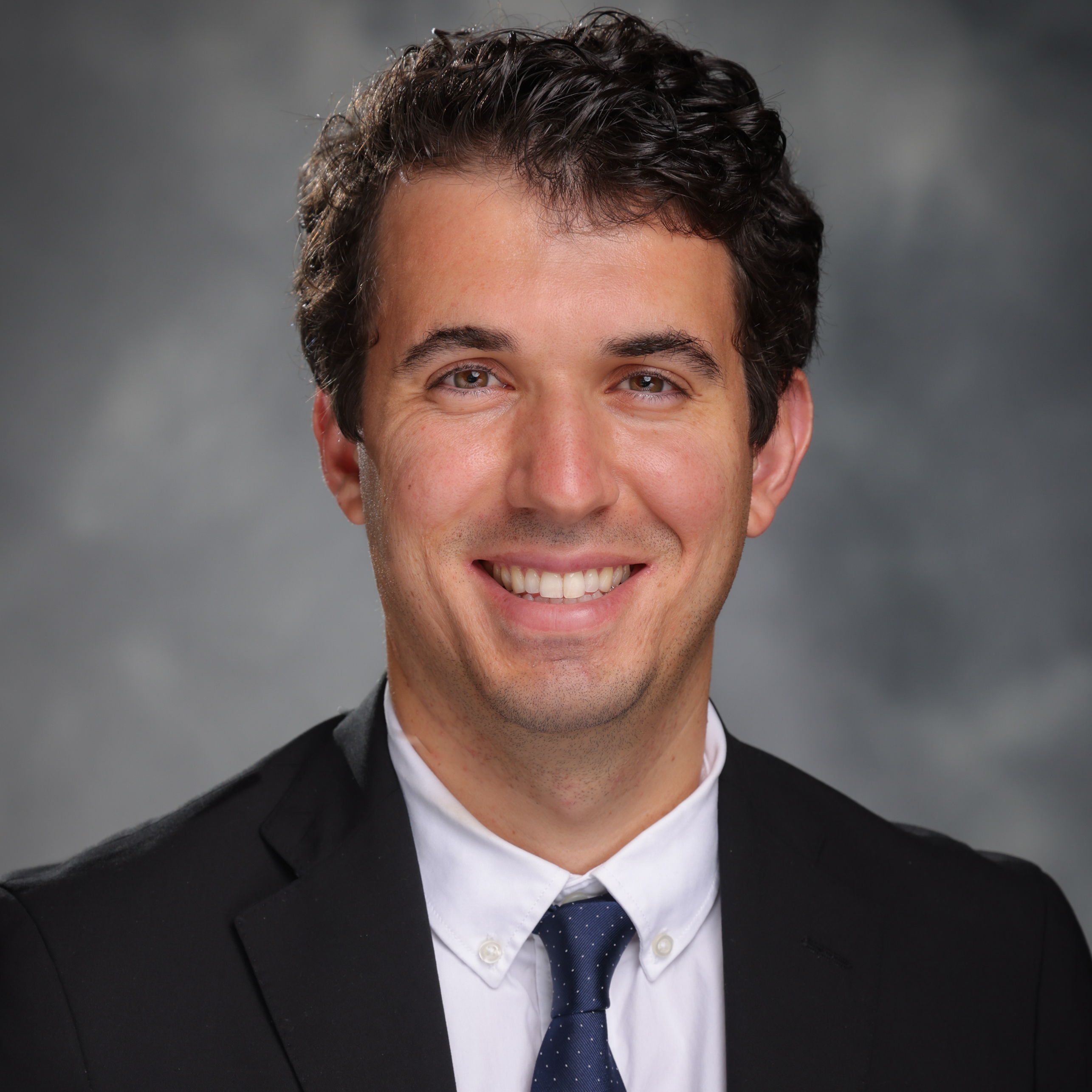
Jacob Keller, MHA
Jacob Keller, MHA, became interested in the field of healthcare administration starting with his first job at Operation Smile, where he was administratively responsible for coordinating short-term cleft-lip and cleft-palate surgical programs. He has worked with hospitals in the Democratic Republic of Congo, Malawi, Ghana, the Philippines, China, Nicaragua, and the United States Navy (USNS Comfort). After completing his Master of Healthcare Administration (MHA) at the George Washington University, Keller began his career at Duke University Hospital as an Administrative Fellow, spending his 2nd fellowship year working exclusively with the Oncology service line.
Upon finishing his fellowship, he transitioned into the Administrative Director role working with the Hematologic Malignancy and Cellular Therapy disease group for the Duke Cancer Institute, where Keller got his first introduction into cellular therapy. Today, he has administrative oversight for Duke’s Cell and Gene Therapy (CGT) enterprise across adult and pediatric service lines, with a focus on building and scaling across the system. Keller also serves as the administrative leader for inpatient oncology services and the Oncology Hospital Medicine program at Duke University Hospital, in addition to overseeing operations at Duke’s outpatient cancer centers in Durham County.
Financial disclosures:
Autolus Therapeutics —Advisory Board (2025) Orca Bio —Advisory Board (2025) Mesoblast — Advisory Board (2026) Iovance Biotherapeutics — Advisory Board (2026) Gamida Cell — Advisory Board (2026)
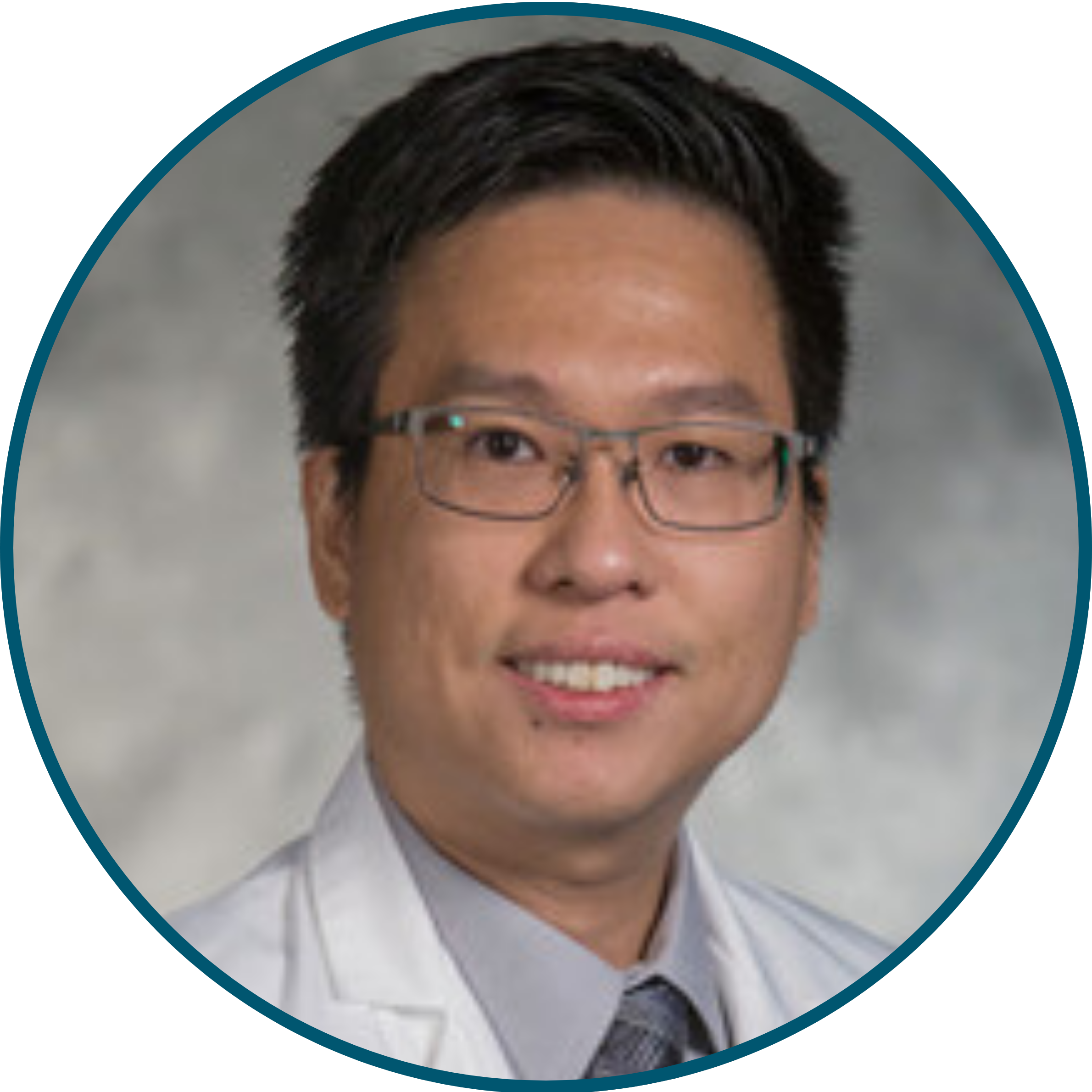
Chenyu Lin, MD
Dr. Chenyu “Chen” Lin is an Assistant Professor of Medicine in the Division of Hematologic Malignancies and Cellular Therapy at Duke University School of Medicine. He serves as Medical Director of the Cellular Therapy Program at Duke, overseeing clinical operations in cell and gene therapy while guiding cross-disciplinary clinical trials involving cellular therapies beyond hematologic cancers, including applications in solid tumor oncology and non-malignant specialties.
He also holds a joint appointment with the U.S. Department of Veterans Affairs, where he focuses on delivering specialized oncology care to rural patients with blood cancers through telemedicine. His work emphasizes digital health innovation and expanding access to advanced treatments such as cellular therapies, gene therapies, and bispecific T-cell engagers (BiTEs). Dr. Lin leads initiatives to broaden BiTE therapy implementation across Duke Health and serves as national co-chair of the VA’s outpatient bispecific therapy working group.