Published on September 15, 2026
Beyond the Blood Counts
by Diego Hijano, MD, MSc
Editor’s note: Narrative medicine is a new Nucleus series highlighting the experiences of patients, caregivers, clinicians, researchers, and trainees. These stories complement the science of transplantation and cellular therapy by illuminating the human experiences behind the work.
It was a Saturday morning. The hospital felt slower, as if it were still waking. The hallway was quieter, the usual movement softened, the day not yet fully begun.
She was awaiting engraftment, that stretch of the stem cell transplantation process measured in blood counts, medications, precautions, and waiting. For clinicians, these are the familiar markers of progress. For children and families, the days often feel different. Progress can seem invisible, marked instead by uncertainty, long hours in one room, repeated procedures, and the hope that something important is happening beneath the surface long before it can be measured in a laboratory result.
In her room, the early sun drifted through the window. She lay in bed waiting for breakfast, old enough to carry herself with a quiet awareness, yet still young enough to hold on to small anticipations. Her father stood nearby, ready for the familiar rhythm of nurses, assistants, and physicians moving in and out like a revolving door.
The pumps hummed softly. The monitors flickered. For a brief moment, there was space simply to exchange a quiet “good morning.”
We talked about her night, the small signs of progress, and what had been slow to change. Her father asked thoughtful questions and followed every detail. She listened quietly, offering little. She was tired. Conditioning had taken its toll, and while we watched her blood counts and waited for the infused cells to take hold, her body was doing the difficult work we could not see.
I asked what she liked to do when she felt up to it: crafts, painting, building things, making bracelets. As we talked, I invited her to make something for me if she wanted. A drawing, perhaps. She hesitated and looked worried.
“I don’t know how to draw,” she said.
I told her that was fine. I was not very good at drawing either. I asked her favorite colors and promised that I would bring her a picture the next day.
A day later, I returned with the card in my hand. The purple flower was simple and imperfect, but it was hers. She smiled immediately. Her father smiled too, gently, and his eyes filled. His response made me understand that the card was not simply a distraction or a kind gesture. It was evidence that, after leaving the room and moving on to the rest of my hospital day, I had carried a small promise with me—and made time to keep it.
In pediatric care, clinicians often receive drawings, bracelets, and handmade tokens. Over time, I began reversing that familiar exchange. I would offer a small drawing first, usually accompanied by shared humor about my limited artistic abilities, and invite the child to make something for me if they wished. The point was never the object itself. It was the opportunity to create, choose, give, and be known for something other than illness.
I found myself doing this most often with children who seemed tired or discouraged. During transplant, days can be defined by mucositis, nausea, pain, fatigue, and waiting. A small project cannot change those realities, but sometimes it transforms the tone of the room and the conversation around them.
Then she developed a fever. While we waited for engraftment, we needed a peripheral blood culture. For her, that meant another needle stick in a course already filled with procedures. As she became anxious, I offered to stay with her through the blood draw. She agreed.
Then she reached for my hand and said, “Dr. Diego, you are my best friend.”
I knew what she meant. I was not her best friend in the ordinary sense. I was her physician. Yet in that moment, being her physician meant more than managing medications, monitoring blood counts, or guiding her through treatment. It meant caring for the whole child — the fear alongside the fever, the exhaustion alongside the laboratory values, and the need to feel safe and supported alongside the need to heal. Her words reminded me that these were never separate parts of her care.
The transplant process asks children and families to place extraordinary trust in their care teams through a long and uncertain journey. We cannot promise an uncomplicated course, a specific day of engraftment, or the outcome every family hopes for. We can, however, be deliberate about the promises that are ours to keep: returning with an answer, remembering the name of a favorite toy, checking back after a difficult conversation, or bringing an imperfect flower in the colors a child chose.
An imperfect purple flower could not change the course of her transplant. But caring for her was never only about the course of her transplant.
Financial disclosure: Diego R. Hijano, MD, MSc, reports no relevant financial relationships or conflicts of interest related to this article.
![]()
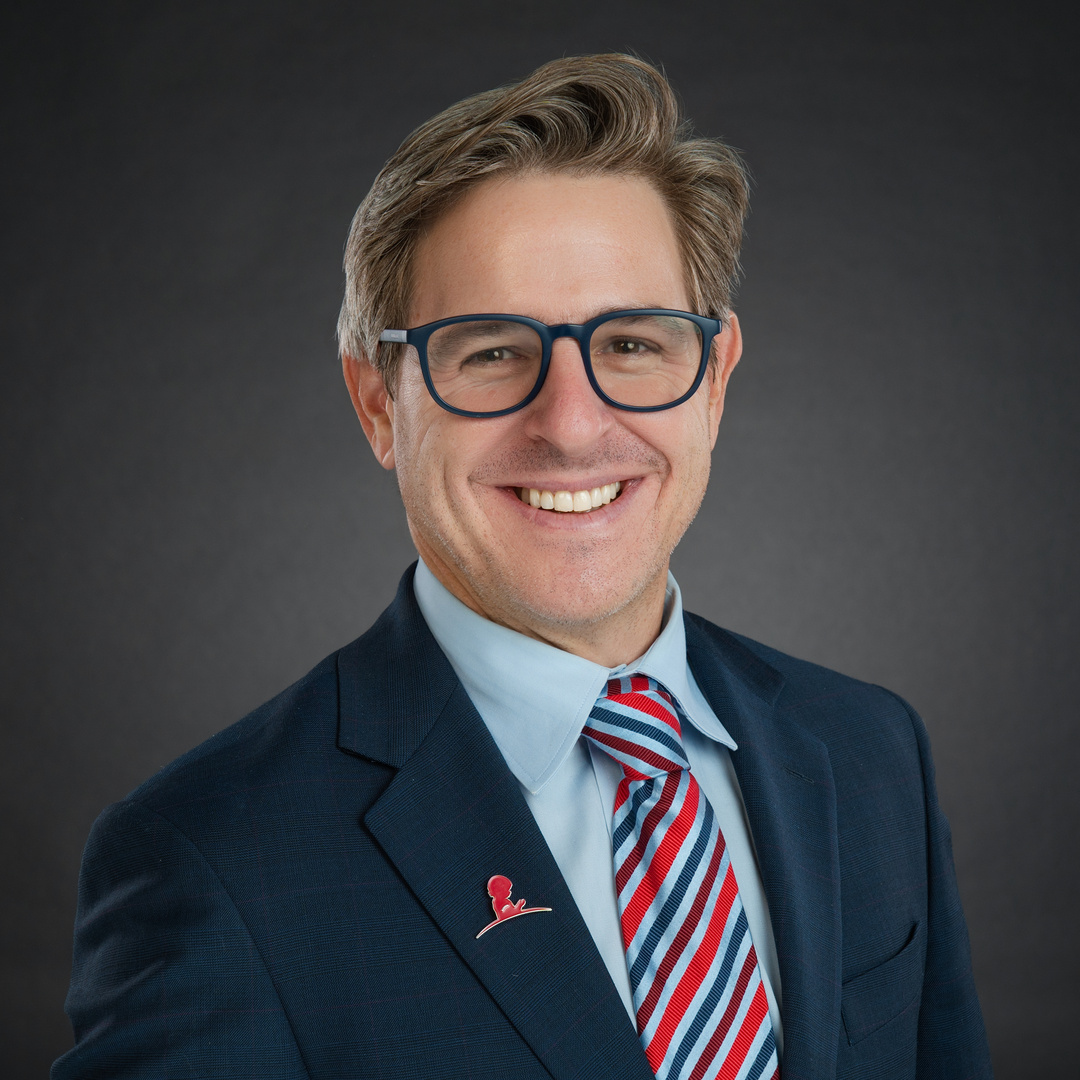
Diego Hijano, MD, MSc
Diego R. Hijano, MD, MSc, is a pediatric infectious diseases physician and associate member in the Department of Infectious Diseases at St. Jude Children's Research Hospital, where he serves as division director of transplant infectious diseases and medical director of occupational health. His work focuses on preventing and treating infections in immunocompromised children, particularly hematopoietic cell transplant and cellular therapy recipients, and on understanding respiratory viral infections in high-risk pediatric populations. He helped develop St. Jude's Transplant Infectious Diseases Program, which provides longitudinal care and education across the transplant journey. Dr. Hijano also leads initiatives in employee health, safety, workforce well-being, vaccination, and public health communication. He earned his medical degree from the National University of La Plata in Argentina and a Master of Science in Clinical Effectiveness from the University of Buenos Aires. His work emphasizes trust, continuity, evidence-based practice, and compassionate care for patients, families, and healthcare professionals.