ASTCT News
Published on September 21, 2026
ASTCT Committee Member Spotlight: Frederick Locke, MD
by Frederick Locke
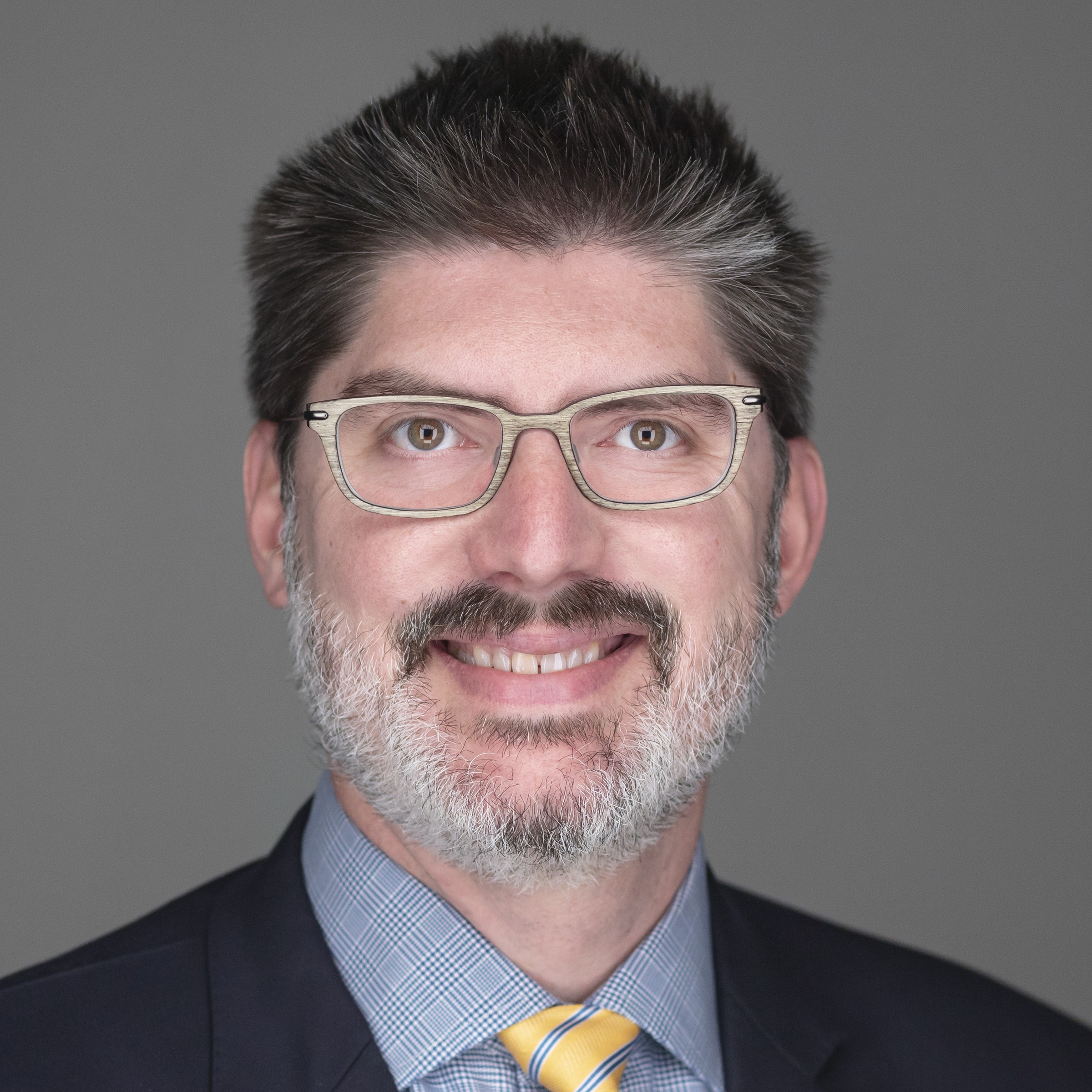 Our latest committee member spotlight features Frederick L. Locke, MD, chair of the Department of Blood and Marrow Transplantation and Cellular Immunotherapy at Moffitt Cancer Center and chair of ASTCT’s Committee on Cellular Therapy. An internationally recognized leader in CAR T-cell therapy, Dr. Locke has helped advance the development of cellular immunotherapies from early clinical investigation to routine patient care, serving as lead investigator on studies that contributed to multiple FDA approvals and expanded treatment indications.
Dr. Locke reflects on the experiences that inspired his career as a physician-scientist, the lessons he has learned through years of clinical and translational research, and the role ASTCT has played in supporting innovation and collaboration across the field. He also shares the three of the most important lessons he’s learned.
Watch this video for his perspective.
Video Summary:
Fred Locke, MD, discusses his career journey as a transplant physician and cellular therapist, inspired by his father's battle with lymphoma and the power of scientific innovation. He highlights key achievements in his field, such as leading initiatives to simplify CAR T therapy requirements and updating cellular therapy toxicity criteria. Dr. Locke emphasizes the importance of patient-centered care, collaboration, and proactive action, drawing inspiration from Yoda's philosophy.
![]()
Frederick Locke, MD
Frederick L. Locke, MD, is a transplant physician, cellular therapist, and translational investigator who serves as chair of the Department of Blood and Marrow Transplantation and Cellular Immunotherapy at Moffitt Cancer Center and chair of the ASTCT Committee on Cellular Therapy. He is internationally recognized for his contributions to the clinical development and implementation of CAR T-cell therapy, serving as lead investigator on pivotal studies that resulted in FDA approvals and expanded indications for patients with lymphoma. His translational research seeks to understand why CAR T-cell therapy does not always achieve durable responses and to develop next-generation cellular immunotherapies that are safer, more effective, and more broadly accessible. He specializes in the care of patients with lymphoma, and multiple myeloma, including hematopoietic cell transplantation and cellular therapy.